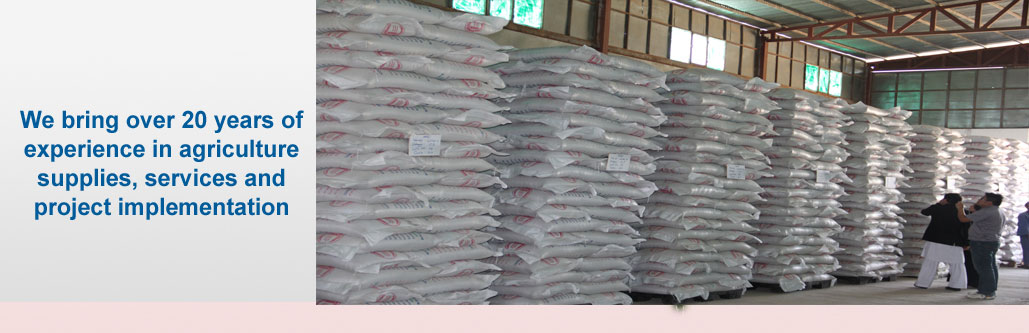
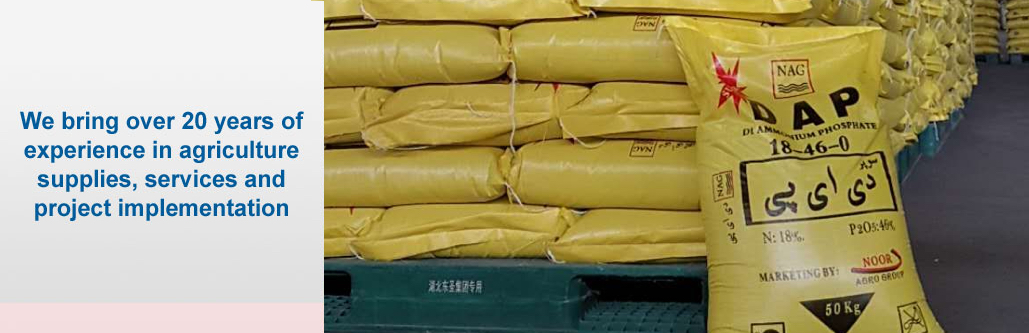
Fertilizers and Hormones DAP Fertilizer N.18% 50 kg
Gebrlan Powder
Grape Tablet Barlex
Grape Tablet Durukhsan
Grape Tablet Gebrelan
Jelly Dust
Jiffy
NPK Fertilizer
Peat Moss 60 kg
Potassium Carbonet
Potassium Sulphate Fertilizer
Russian Fertilizer
Sammar Liquid Fertilizer
Secosteren Fertilizer 1 KG
Urea (Sona) N.46% 50 kg
Super Phosphate Fertilzer
Fertilizer Fertilizers are chemical compounds applied to promote plant and fruit growth. Fertilizers are usually applied either through the soil (for uptake by plant roots) or, by foliar feeding (for uptake through leaves).
Fertilizers can be placed into the categories of organic fertilizers (composed of decayed plant/animal matter), or inorganic fertilizers (composed of simple chemicals and minerals). Organic fertilizers are 'naturally' occurring compounds, such as peat, manufactured through natural processes (such as composting), or naturally occurring mineral deposits; inorganic fertilizers are manufactured through chemical processes (such as the Haber process), also using naturally occurring deposits, while chemically altering them (e.g. concentrated triple superphosphate).
Properly applied, organic fertilizers can improve the health and productivity of soil and plants, as they provide different essential nutrients to encourage plant growth. Organic nutrients increase the abundance of soil organisms by providing organic matter and micronutrients for organisms such as fungal my corrhiza, which aid plants in absorbing nutrients. Chemical fertilizers may have long-term adverse impact on the organisms living in soil, and a detrimental long term effect on soil productivity of the soil.